Best Camera Drones for First-Time Flyers
Drones have changed the way we see the world from above. This guide walks you through the basics, explains important features in simple language, and helps you choose a drone that matches your style, confidence and budget.

⭐ A Friendly Drone Recommendation for Your First Flights
A Compact Camera Drone That Fits in Your Everyday Bag
If you’re looking for a drone that is small, light and simple to set up, this style of foldable camera drone is a very comfortable starting point. It usually includes a stabilised camera, beginner-friendly flight modes and safety features that gently guide you while you learn.
It’s a good match for travellers, weekend flyers and anyone who wants to record smooth clips without carrying heavy equipment.
Check Current Price on Amazon📚 What You’ll Learn in This Guide
🚀 What a Drone Actually Is
A drone is a small flying machine that you control from the ground using a remote controller or a phone. Modern camera drones are built with motors, propellers, a camera, sensors and a computer that keeps everything balanced in the air.
For many people, a drone is like a flying tripod. Instead of climbing a hill or leaning out of a window, you send the drone up and see your surroundings from a completely new angle.
- Families use drones to capture festivals, picnics and holidays.
- Travellers record beaches, mountains and city skylines from above.
- Creators use them for short films, music videos and social media reels.
🎯 Who This Guide Is For
You will find this guide useful if any of these feel like you:
- You are buying your very first drone and don’t want to waste money on the wrong one.
- You already enjoy taking photos or videos and now want to add a flying camera.
- You once tried a cheap toy drone and now want something more capable and reliable.
- You are nervous about rules, registration and safety, and want a clear explanation.
Even if you never plan to become a professional pilot, understanding the basics will help you relax and actually enjoy your time in the air.
🧠 Important Drone Terms Explained
Product pages often throw many technical terms at you. Here is a simple explanation of the ones that matter most when you are choosing a drone.
Resolution tells you how detailed the video is. A drone that records in 4K can capture very sharp footage. For everyday use, 4K or good quality 1080p is perfectly fine.
A gimbal is a small stabilising arm that holds the camera. A 3-axis gimbal keeps the camera steady even when the drone tilts or moves through gusts of wind. This is the key to smooth, cinematic video.
Flight time is the number of minutes a drone can stay in the air on one battery. Many compact drones today stay up for around 25–35 minutes in calm weather. It’s usually worth buying at least one extra battery.
Range describes how far the drone can fly while still receiving clear commands and sending video back to your controller. You rarely need the full advertised range; a stable, reliable signal is more important than extreme distance.
Some drones carry sensors on the front, back, bottom or even all around their body. These sensors help the drone detect trees, walls and other objects and can prevent many beginner crashes.
Lighter drones are easier to carry and sometimes follow slightly simpler rules in certain countries. Very small drones, however, can get pushed around more by strong wind.
🪜 How to Choose the Right Drone for You
Instead of getting lost in dozens of models, it helps to follow a simple path. Here is a practical way to decide:
- Decide how you will use the drone. Will you mostly record travel memories, family moments, real estate, events or simply fly for fun?
- Set a budget range. Entry-level camera drones, mid-range travel drones and advanced hobby models all exist. Knowing how much you can spend narrows the search quickly.
- Check your country’s rules. See whether you need to register the drone, what height limits apply, and which areas are off-limits.
- Shortlist a few models. Focus on camera quality, flight time and safety features instead of just fancy marketing names.
- Watch real-world footage. Look for sample videos taken by normal people, not just brand commercials. This shows you what the drone can really do.
🏆 Different Types of Beginner-Friendly Drones
Not every new pilot wants the same thing. Some people love small selfie drones, others want a sturdy travel companion or a budget-friendly practice model. This overview helps you see where you might fit.
| Best For | Drone Type | Why It Suits Beginners | Common Traits |
|---|---|---|---|
| First serious drone |
Compact foldable camera drones Travel-friendly |
Easy to carry, stable in the air and usually packed with safety features. A very good balance between simplicity, performance and price. | 4K video Obstacle sensing 25–35 min flight |
| Tight budget |
Entry-level camera drones Affordable |
Good for learning the basics and understanding whether you enjoy flying without a large investment. | 1080p–4K Simpler apps Shorter flight time |
| Content creation |
Mid-range camera drones For vloggers |
Designed for people who want smoother footage, better colours and stronger protection against obstacles. | 4K/60 Multiple sensors 35–45 min flight |
| Solo travellers |
Selfie and follow-me drones Hands-free shots |
These drones focus on automatically following you or circling a subject, which is very helpful when you are alone in a location. | Tracking modes Quick clips |
| Practice only |
Toy and training drones Learning tool |
Light, simple and inexpensive. Great for getting used to orientation and controls before moving to a more capable drone. | Very light Short flights |
Think of this table as a map. Once you know which category describes you, comparisons between actual models become far easier.
⚖️ Rules, Registration and Safety
Drones bring a lot of joy, but they also share the same sky as airplanes, helicopters and sometimes emergency services. That is why most countries have clear rules about where and how you can fly.
- Register your drone if your local rules ask for it.
- Keep the drone within your line of sight at all times.
- Stay away from airports, military areas and other restricted zones.
- Respect people’s privacy and avoid hovering over private property.
- Follow the maximum height limit set by your authorities.
📸 Tips for Beautiful Aerial Photos and Videos
A good drone is only half the story. The way you move it and how you frame your shots will decide whether your footage looks ordinary or magical.
1. Use slow and gentle movements
- Push the sticks slowly to avoid jerky motion.
- Practice simple moves like flying forward while rising or sliding sideways.
- Combine two movements at a time instead of many at once.
2. Fly during softer light
Early morning and late afternoon light is kinder to landscapes and cities. Colours look richer and shadows are less harsh. Your drone footage will often look more cinematic during these hours.
3. Turn on gridlines
Gridlines help you use the “rule of thirds”. Placing your horizon or subject along one of the lines usually makes the frame feel more balanced and professional.
4. Record at a higher quality than you share
If your drone can, record in 4K even if you plan to share in 1080p. This gives you extra room to crop or straighten horizons while editing.
5. Consider using ND filters
ND filters are like sunglasses for your drone’s camera. On very bright days they allow the camera to use slower shutter speeds, which keeps movement smooth and natural.
🧰 Taking Care of Your Drone
A little regular care goes a long way. Drones are sturdy enough for outdoor use, but they still like gentle handling.
Batteries
- Try not to fly until the battery is completely empty. Landing around 20–25% is kinder.
- Let batteries cool down before charging them again.
- If you won’t fly for weeks, store batteries with some charge left, not at zero.
Body and propellers
- Check propellers regularly for cracks or chips and change them if needed.
- Keep sand and dust away from the motors as much as possible.
- Use a small bag or case when you travel so the drone doesn’t get squeezed or scratched.
Software
- Update the drone’s firmware and mobile app when new versions arrive.
- New updates often improve stability, fix small problems and sometimes add fresh features.
❓ Common Questions from New Pilots
✅ Final Thoughts: Enjoy the View Above Your Head
A drone is more than a gadget. It is a new way to look at your everyday world. Quiet streets, small parks and familiar rooftops suddenly feel exciting when seen from above.
You don’t have to chase the most expensive model or become a professional pilot. Start with a friendly, reliable drone, learn patiently, and let your curiosity guide you. With each safe flight, your confidence will grow – and so will your collection of unforgettable views.
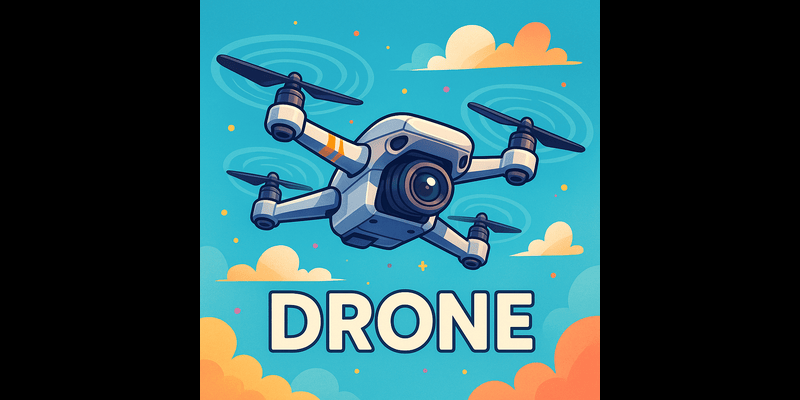
When you are ready for your first step, a compact foldable drone like the one shown at the top of this page is a gentle, trustworthy companion for the journey.