
📑 Contents
📌 Quick Summary: New study uncovers bowhead whale’s advanced DNA repair mechanism, shedding light on its remarkable longevity. Read more in Nature.
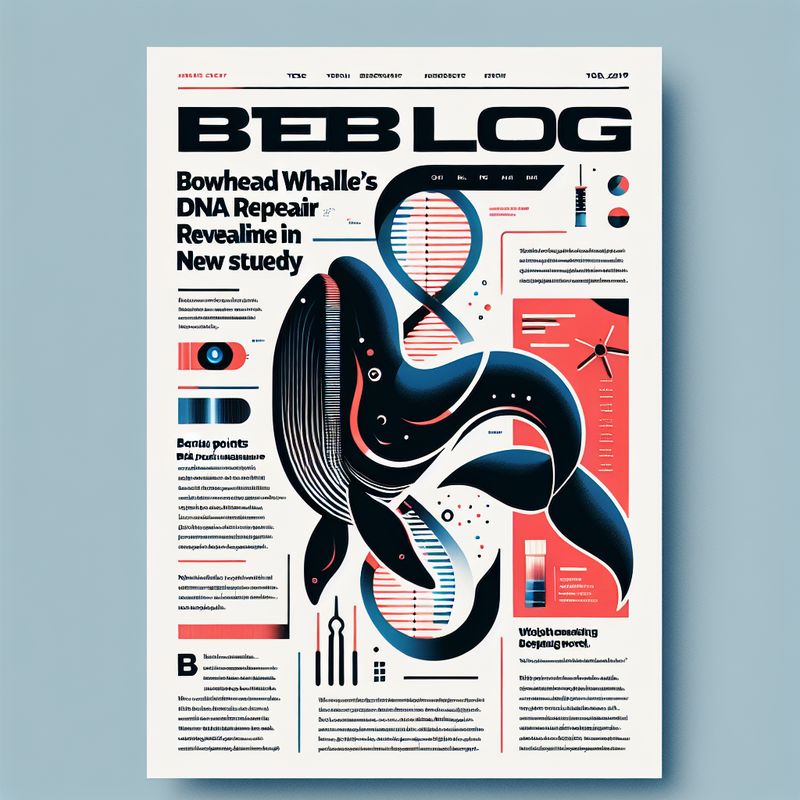
Bowhead Whale’s DNA Repair Mechanism Revealed in New Study
Introduction
In a groundbreaking study published in *Nature*, researchers have unveiled the remarkable DNA repair mechanisms of the bowhead whale, a creature known for its astonishing lifespan of over 200 years. The research not only provides insight into the genomic adaptations that allow these majestic mammals to thrive for centuries but also raises intriguing questions about the implications of such findings in the context of longevity studies and potential applications in human health. This novel insight into the bowhead whale’s improved DNA repair processes opens a new frontier in understanding the intersection of evolution, genetics, and longevity.
—
📚 Related Articles
Overview
📚 Related Articles
The bowhead whale (Balaena mysticetus) is among the longest-living mammals on the planet, with documented lifespans exceeding two centuries. This longevity has long fascinated scientists, particularly in the context of understanding how these creatures maintain cellular integrity over such extended periods. The recent study, which utilized advanced genomic analysis and machine learning techniques, identified crucial genes related to DNA repair that appear to function more efficiently in bowhead whales compared to other species.
Author corrections in the published study highlight the importance of robust, transparent methodologies in genomic research. The study not only showcases the bowhead whale’s unique cellular processes but also emphasizes the significance of proper authorship attribution in scientific literature, especially as concerns regarding the impact of AI on authorship continue to rise. With machine learning technologies evolving rapidly, maintaining integrity in academic authorship is becoming increasingly critical.
—
Key Details
The research team employed cutting-edge sequencing technologies to analyze the genomes of bowhead whales. By comparing their DNA repair pathways with those of other long-lived species, including humans, the researchers discovered that these marine giants possess several unique adaptations. The study indicates that bowhead whales have an enhanced capacity to repair DNA damage, which is a crucial factor in preventing age-related diseases and ensuring cellular health.
Among the notable findings was the identification of specific genes associated with DNA damage response mechanisms, which were found to be more active in bowhead whales. These genes encode proteins that assist in the detection and repair of DNA breaks, thereby minimizing the accumulation of mutations that can lead to cellular dysfunction. The evidence for improved DNA repair mechanisms in bowhead whales presents a fascinating glimpse into how evolution has shaped their biology to favor longevity.
The implications of these findings extend beyond marine biology. Understanding the genetic basis for effective DNA repair could pave the way for advancements in medical research, particularly in the fields of oncology and gerontology. If humans could harness similar mechanisms, it may lead to breakthroughs in combating age-related diseases and enhancing lifespan.
—
Impact
The implications of this study are profound. As researchers continue to explore the genetics behind longevity, the bowhead whale serves as a model organism that can inform various areas of science, including human health and disease prevention. The findings underscore the potential of targeting DNA repair pathways therapeutically, potentially translating into new treatments for cancer and other genetic disorders.
Moreover, the study raises critical discussions about the evolving landscape of academic publishing and authorship in the age of AI. As machine learning becomes a standard tool in research, the importance of clear authorship becomes paramount. The bowhead whale study, with its corrections and emphasis on transparency, serves as an important reminder of the need for ethical practices in academic research.
In addition, the intersection of cybersecurity for academic authorship cannot be overlooked. As the digital age progresses, safeguarding research integrity and ensuring that author contributions are accurately represented is more crucial than ever. This study’s emphasis on correcting author details highlights the ongoing challenges faced by researchers and institutions in maintaining credibility within the ever-evolving academic landscape.
—
Insights
The bowhead whale’s enhanced DNA repair mechanisms provide valuable insights into the biological processes that contribute to longevity. By studying these unique adaptations, scientists can better understand the cellular and molecular underpinnings of aging. Additionally, the research emphasizes the importance of ethical considerations in the publication process, particularly as AI technologies shape the future of academic authorship.
The findings also encourage a multidisciplinary approach, merging genetics, evolutionary biology, and artificial intelligence. Such collaboration could potentially lead to innovative solutions for age-related health issues in humans, granting researchers a deeper understanding of the complexities of aging and disease prevention.
—
Takeaways
The bowhead whale’s DNA repair capabilities offer an incredible opportunity to explore the biological secrets of longevity. This study serves as a reminder of the importance of integrity in research, as well as the need for ethical practices surrounding authorship in the era of AI. The implications of improved DNA repair mechanisms extend far beyond marine biology, potentially leading to groundbreaking advancements in human health and longevity.
—
Conclusion
The recent study on the bowhead whale’s DNA repair mechanism not only sheds light on the genetic adaptations that contribute to its extraordinary lifespan but also emphasizes the importance of ethical standards in academic publishing. As we continue to uncover the mysteries of longevity and health, this research reinforces the need for transparency and accountability in scientific literature. By learning from the bowhead whale, we may one day unlock the secrets to extending human healthspan and lifespan, ultimately leading to healthier lives for future generations.