

📑 Contents
📌 Quick Summary: Unlock iPhone Duo with advanced Mac-like authentication, overcoming Touch ID limits. Discover seamless security in Apple’s latest foldable innovation.
Unlocking iPhone Duo: Beyond Touch ID’s Limitations
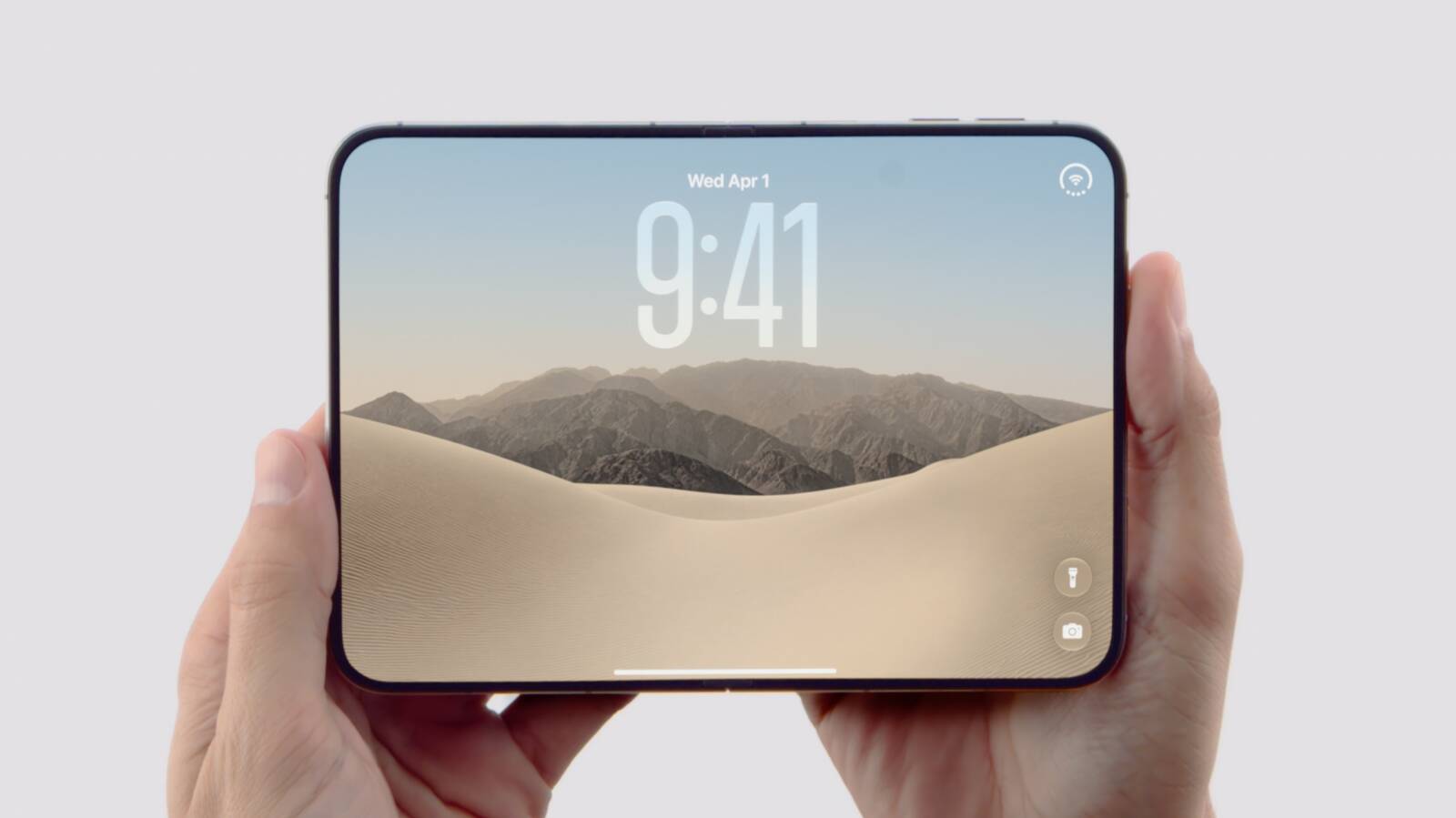
Apple’s newest release, the iPhone Duo, has stirred conversations among its user base, primarily because it forgoes the popular Face ID technology in favor of an enhanced Touch ID system. While long-time Apple enthusiasts may feel disheartened by the absence of facial recognition, the company has introduced exciting innovations to make Touch ID more versatile and secure. This post delves into the capabilities of the iPhone Duo’s Touch ID, how it compares to Face ID, and the implications of these features on user experience and security.
Overview
The iPhone Duo represents a significant leap in Apple’s smartphone design, featuring an innovative foldable display that has garnered attention for its sleek form factor and improved functionality. However, it is the decision to rely solely on Touch ID that has raised eyebrows. Traditionally perceived as a less convenient option, especially compared to the seamless unlocking experience provided by Face ID, Touch ID’s evolution in the iPhone Duo embraces machine learning applications and AI enhancements. Apple aims to redefine user interactions with biometric security, making unlocking the device more efficient and secure, even without facial recognition.
📚 Related Articles
Key Details
📚 Related Articles
One of the most notable advancements in the iPhone Duo is the integration of an upgraded Touch ID system that leverages artificial intelligence to enhance its security measures. Users may be curious about how to unlock iPhone without Touch ID or face recognition; the answer lies in the new features that allow for alternative unlocking methods, including a password and an innovative “gesture” unlock system that takes advantage of the foldable design.
The updated Touch ID system employs advanced machine learning algorithms to recognize fingerprints more accurately, even if they are slightly obscured or if the user’s fingers are wet or oily. This is a significant improvement, addressing past frustrations with the original Touch ID technology. Moreover, the iPhone Duo has implemented a feature that can learn from user behavior, adapting to patterns over time. This ensures that the unlocking process is both personal and secure, making it one of the best ways to secure an iPhone with Touch ID.
Additionally, Apple has introduced a secondary layer of security by utilizing biometric data in conjunction with the device’s AI capabilities. This means that the iPhone Duo can analyze factors like the user’s typical unlocking time and location, adding a contextual layer that enhances security. Combined with the improved Touch ID mechanism, the iPhone Duo promises to mitigate many of the risks associated with biometric authentication.
Impact
The absence of Face ID in the iPhone Duo could lead to varied user experiences. For individuals accustomed to the quick and effortless nature of facial recognition, transitioning back to Touch ID might seem inconvenient at first. However, the improvements and additional features make a compelling case for the return of fingerprint recognition. Users can expect not only increased accuracy but also speed, as the new system is designed to unlock the phone in less than a second.
Moreover, the emphasis on AI and machine learning applications in Touch ID technology presents a shift in how users perceive biometrics. With enhanced security measures, users can feel more confident that their personal data remains protected. The iPhone Duo serves as a reminder that convenience must be balanced with security in today’s digital landscape, and Apple’s choice to innovate within the realm of Touch ID reflects a commitment to this principle.
Insights
As Apple continues to refine its biometric security features, it is essential to recognize the broader implications for the tech industry. The advancements in Touch ID and the integration of AI to bolster its functionality may inspire other manufacturers to explore similar paths. This could lead to a resurgence in fingerprint recognition technology across various devices and platforms, emphasizing security and user-friendliness.
Additionally, the iPhone Duo’s approach may signal a shift in consumer preferences. As users become more data-savvy and aware of privacy concerns, the demand for secure yet accessible authentication methods could grow. The evolution of Touch ID in the iPhone Duo might pave the way for a future where biometric security is not only a norm but also a standard of excellence.
Takeaways
- The iPhone Duo emphasizes an improved Touch ID system, integrating AI and machine learning for enhanced security.
- Users can explore how to unlock iPhone without Touch ID using alternative methods while benefiting from new gesture controls.
- Apple’s focus on biometric security reflects a growing need for convenience and safety in digital interactions.
Conclusion
The iPhone Duo’s decision to rely solely on an enhanced Touch ID rather than Face ID may initially raise concerns among users, but the innovations brought to this technology are promising. By incorporating AI and machine learning applications, Apple has not only revitalized the Touch ID experience but also positioned it as a secure and efficient alternative to facial recognition. As users adapt to these changes, the iPhone Duo could redefine the standards for biometric authentication, reassuring users that their data remains secure even in the absence of Face ID. With the right balance of technology, usability, and security, the iPhone Duo is set to make waves in the tech world.