
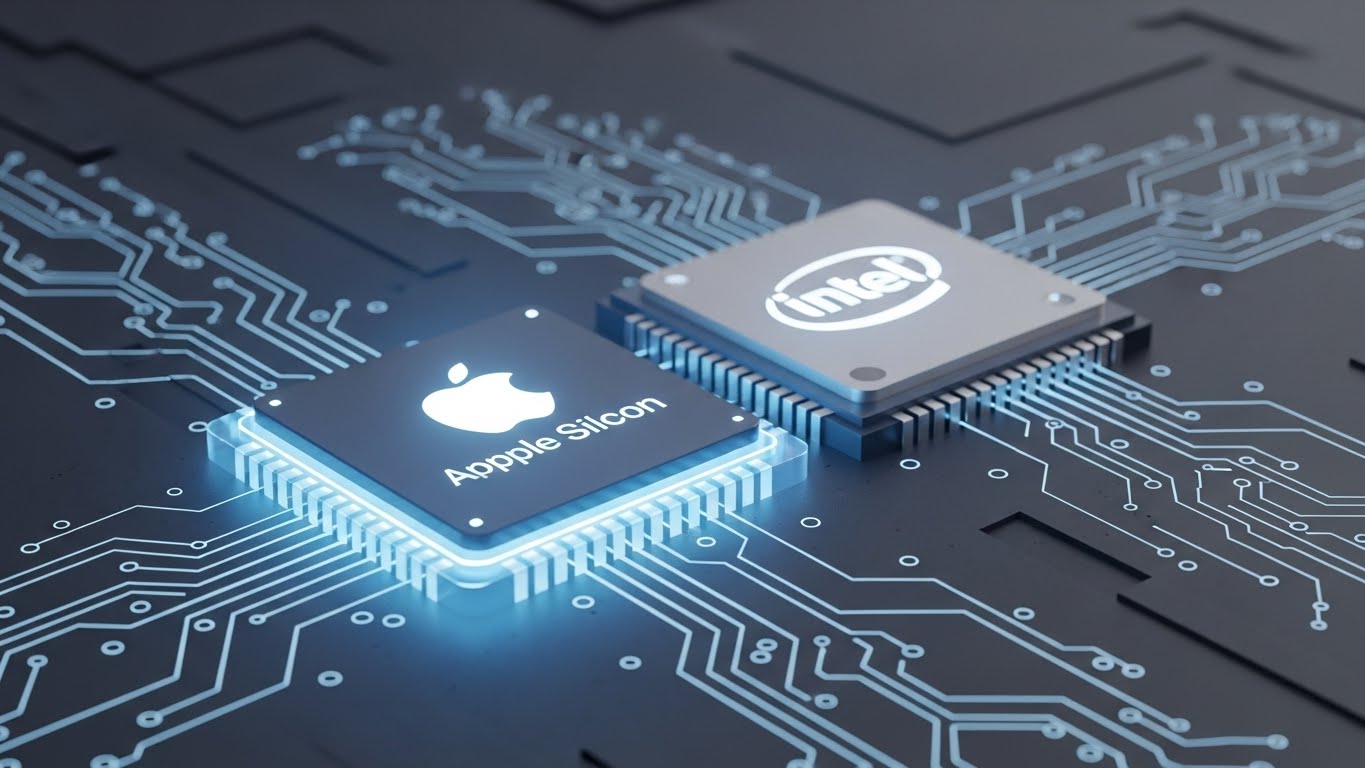
The tech world is abuzz with a possibility: by 2027, Intel might begin manufacturing some of Apple’s M-series (and perhaps A-series) chips. This isn’t about Intel designing the chips — Apple will continue to design them. Instead, Intel would come in as a second-source foundry, complementing Apple’s existing foundry partner.
This potential collaboration signals a major strategic shift for Apple — one that could change how its devices are built, supplied, and priced.
What’s Changing — and What’s Staying the Same
What Could Change
- Intel could manufacture entry-level M-series chips starting around 2027. These are the chips used in devices such as the MacBook Air and iPad (or entry-level MacBooks/iPads).
- Over time, Apple might expand Intel’s role to include chips for iPhones (i.e. the base-level “A-series”) — especially for entry-level iPhone models.
- Apple’s motivation: diversify manufacturing beyond its main foundry, which reduces supply-chain risk and adds flexibility to production capacity.
What Remains Under Apple’s Control
- Apple will continue to design all chips internally. Architecture, features, and optimizations will remain Apple’s domain.
- For premium devices that use high-performance chips, Apple is likely to keep using its existing foundry partner. The shift affects primarily base or entry-level chips.
Why This Matters — For Apple, Intel, and Users
For Apple
Bringing in Intel as a second foundry provides a backup supply line. This reduces reliance on a single supplier and ensures that Apple is better positioned to manage production volumes, demand surges, and global uncertainties. It could also help Apple manage costs and possibly pass savings to consumers on entry-level models.
For Intel
If Intel successfully manufactures Apple chips, this could revive its foundry business — a major validation for its plans to compete in advanced-node manufacturing. For years, Intel has invested heavily to build manufacturing capacity; a deal with Apple could signal that its efforts are finally paying off.
For Users & the Market
Consumers might benefit from greater availability of entry-level Apple products, especially during peak demand times. Over time, improved supply-chain resilience might lead to more stable pricing, and possibly even lower prices for base-model devices. On a macro level, this move could foster increased competition in chip manufacturing — which often leads to better innovation, variety, and supply security across the tech ecosystem.
Risks, Unknowns & What to Watch
- The partnership reportedly starts with only base-level chips. So high-end MacBooks, iPads, and premium iPhones are likely to remain unaffected — at least for now.
- Intel needs to prove its manufacturing readiness — process yields, quality, power efficiency, and compatibility with Apple’s chip designs must meet Apple’s high standards. If these expectations aren’t met, the plan could stall or be scaled back.
- The timeline is tentative — we’re looking at 2027 or later. Any delays in process development or testing could push things further out.
What This Means for the Future
This potential Intel–Apple collaboration may appear modest now — limited to entry-level chips. But its implications are far-reaching. It marks a shift in how even major tech players view supply chains: not just as fixed routines but dynamic ecosystems where flexibility, diversification, and strategic redundancy matter.
For Intel: a shot at resurgence in advanced chip fabrication. For Apple: a chance to safeguard its supply chain and possibly optimize costs. For consumers and the broader tech market: improved availability, more competitive pricing, and perhaps a more robust global semiconductor ecosystem.
If things go as rumored, 2027 could mark the beginning of a new era — one where Apple devices may carry chips “Made or Manufactured by Intel,” even as their brains remain Apple-designed.
Read More: