
📑 Contents
📌 Quick Summary: Starlink’s new mobile service aims to disrupt Verizon, AT&T, and T-Mobile, leveraging acquired spectrum to enhance connectivity, says SpaceX’s president.
Starlink Mobile Service Set to Challenge Verizon, AT&T, T-Mobile
Introduction
In a bold move that could redefine the telecommunications landscape, SpaceX has announced plans to launch a mobile cellular service under its Starlink brand. This announcement came during the company’s first earnings call following its highly anticipated IPO, as reported by Reuters. Gwynne Shotwell, SpaceX’s president, revealed that the company intends to “build out terrestrial” networks using the spectrum acquired from EchoStar. With this strategic expansion, SpaceX aims to compete directly with established giants like Verizon, AT&T, and T-Mobile, particularly in underserved rural areas. As the race for connectivity heats up, the implications of Starlink’s entry into the mobile market are profound.
📚 Related Articles
Overview
📚 Related Articles
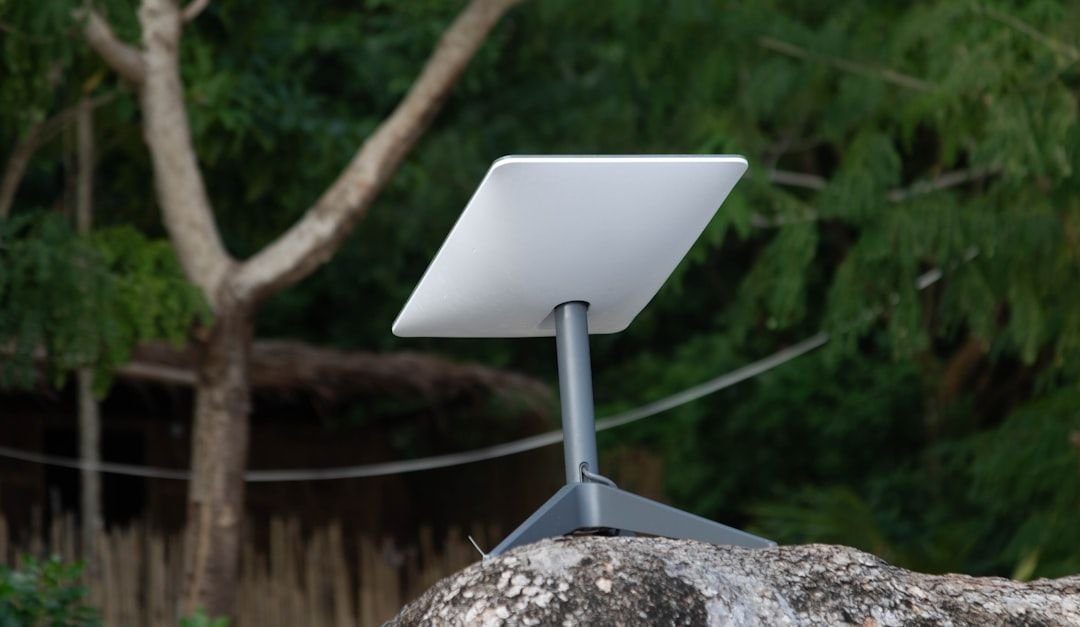
SpaceX’s Starlink has already made waves in the satellite internet sector, providing high-speed internet access to users globally, especially in rural areas where traditional broadband options fall short. The planned launch of a mobile service represents a natural evolution of the Starlink brand, leveraging its existing satellite infrastructure and terrestrial networks. This will enable the company to offer a robust cellular service that could cater to a wide range of consumers, from urban dwellers to those in remote locations. The mobile service aims to combine the speed and reliability of Starlink’s satellite internet with the flexibility of a cellular network, creating a unique proposition that could challenge the status quo in the telecommunications industry.
Key Details
The specifics of the SpaceX Starlink mobile service launch are still emerging, but several key details have been revealed. The company has secured a significant amount of spectrum from EchoStar, which will be critical in establishing its terrestrial mobile network. This spectrum will allow SpaceX to provide wireless communication services, potentially offering coverage in areas that other providers neglect.
SpaceX is known for its innovative approach, and this new venture is expected to incorporate advanced technologies, including AI integration. Such technologies could optimize network performance and enhance user experience. Additionally, there are discussions around competitive pricing and package options that could disrupt existing market standards. Analysts speculate that SpaceX could offer tiered plans, catering to different user needs while ensuring that rural customers benefit from improved connectivity.
Moreover, the synergy between Starlink’s satellite and terrestrial services could pave the way for seamless connectivity, allowing users to switch between satellite and cellular networks without interruption. This hybrid model could be particularly appealing in areas with spotty cellular coverage, providing a reliable alternative that is not currently available through traditional carriers.
Impact
The potential impact of SpaceX’s Starlink mobile service on the telecommunications market is significant. By entering a space dominated by Verizon, AT&T, and T-Mobile, SpaceX could disrupt pricing structures, service offerings, and overall customer experience. One of the most critical benefits could be improved access for rural areas, where major carriers often provide limited or no service. This could enable millions of Americans to connect to the internet and mobile services, fostering greater access to information, education, and economic opportunities.
Furthermore, the introduction of a new player in the mobile service market could spur competition, leading to better services and pricing for consumers. Established carriers may be forced to innovate and enhance their offerings in response to Starlink’s competitive pricing and unique service models. This could ultimately benefit all consumers, particularly those living in underserved regions.
Additionally, the integration of AI within the Starlink mobile service could lead to enhanced network reliability and performance. The ability to analyze data in real-time could help in managing network traffic, optimizing performance, and improving customer support, setting a new standard for service delivery in the telecommunications sector.
Insights
As the telecommunications landscape evolves, the introduction of SpaceX Starlink mobile service could redefine consumer expectations. With its focus on underserved and rural areas, SpaceX has the potential to fill a critical gap in the market. The company’s track record of innovation and efficiency suggests that it could successfully challenge the established players.
Moreover, the strategic acquisition of spectrum from EchoStar indicates a serious commitment to building a comprehensive mobile service. As consumers increasingly demand seamless connectivity, the integration of satellite and terrestrial networks may become a critical selling point for SpaceX, allowing it to differentiate itself from competitors.
Takeaways
The planned launch of SpaceX’s Starlink mobile service presents exciting opportunities for consumers and challenges for established players in the telecommunications market. Key takeaways include:
- Increased Competition: SpaceX’s entry could disrupt existing pricing models and service structures.
- Focus on Rural Areas: The service aims to enhance connectivity for underserved populations, improving access to communication and information.
- Innovative Technology Integration: The potential incorporation of AI could lead to improved network performance and customer satisfaction.
Conclusion
SpaceX’s announcement of the Starlink mobile service marks a significant milestone in the telecommunications industry. By leveraging its existing satellite infrastructure and the newly acquired spectrum from EchoStar, SpaceX is poised to challenge industry stalwarts like Verizon, AT&T, and T-Mobile. The focus on rural areas, combined with advanced technology and competitive pricing, could reshape how consumers view mobile connectivity. As we approach the launch, all eyes will be on SpaceX to see how it will redefine the mobile service landscape and what this means for the future of telecommunications.