

📑 Contents
📌 Quick Summary: IMAX reacts to iPhone Duo’s 1:1.4 aspect ratio, noting similarities to its classic 1.43:1 format, sparking discussions on cinematic experiences.
IMAX Responds to iPhone Duo’s Innovative Aspect Ratio Displays
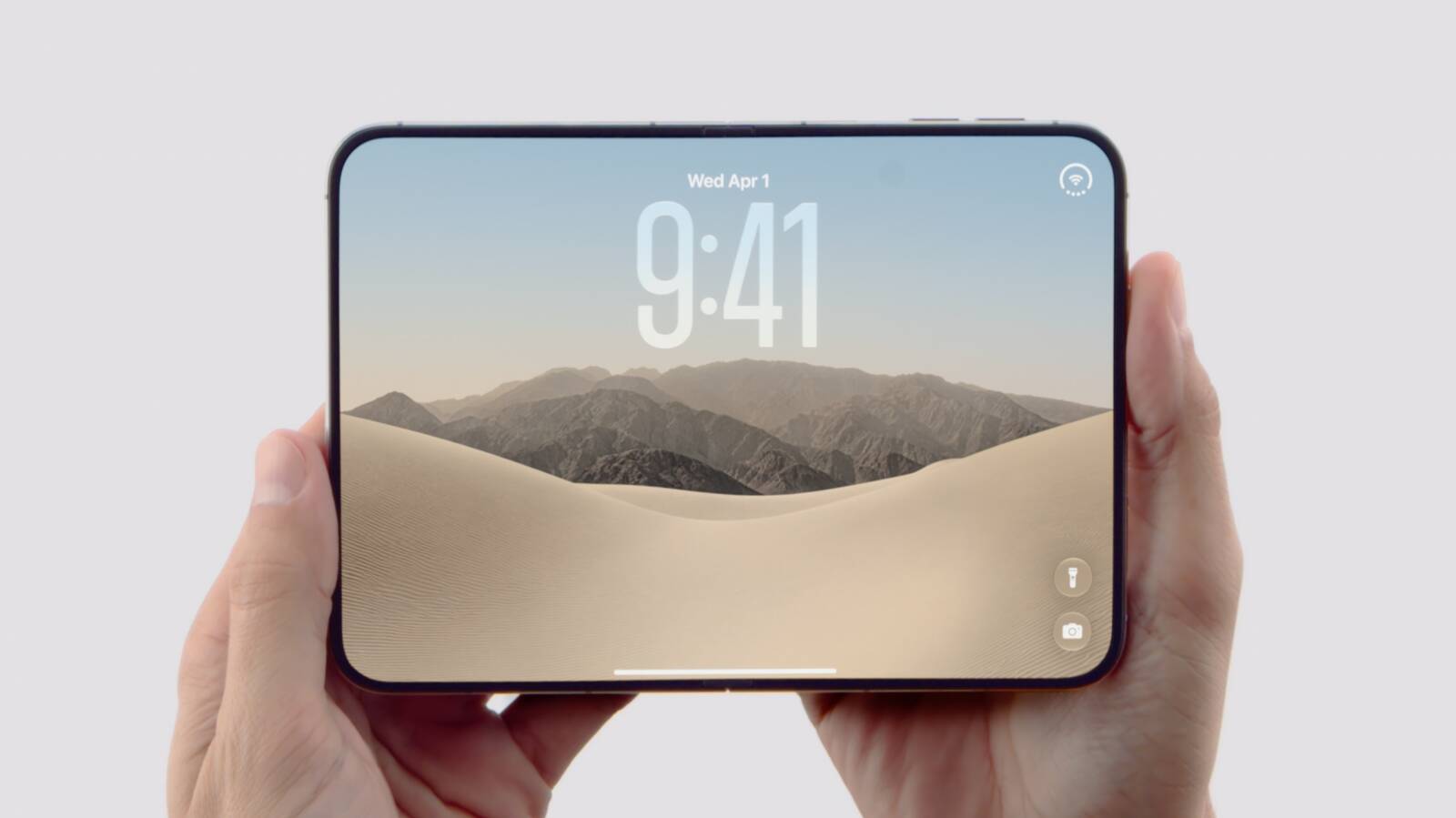
In an era where smartphones increasingly shape our viewing experiences, Apple’s recent introduction of the iPhone Duo with its unique 1:1.4 aspect ratio has caught the attention of industry giants, including IMAX. This new configuration mirrors the classic “full-frame” IMAX 1.43:1 aspect ratio closely. While some view it as a significant leap forward in mobile display technology, IMAX’s response has been mixed, highlighting both excitement and reservations. Let’s delve into the implications of this shift in aspect ratios and how it intersects with IMAX’s mission and technology.
Overview
The iPhone Duo’s adoption of a 1:1.4 aspect ratio represents a notable evolution in mobile display technology. Traditionally, smartphones have favored wider aspect ratios, such as 16:9, designed primarily for cinematic and video content. Apple’s choice to embrace a boxier display is not merely a whimsical redesign but rather a strategic decision aimed at enhancing user engagement with various content forms, including photography, video, and reading.
IMAX, renowned for its commitment to delivering an unparalleled cinematic experience, has a vested interest in how these developments might influence consumer preferences. IMAX’s technology and AI-driven innovations have consistently focused on maximizing visual fidelity and immersive experiences. The overlapping aspect ratios invite discussions around content creation, distribution, and consumer engagement in both mobile and cinematic environments.
📚 Related Articles
Key Details
📚 Related Articles
The technical specifications of the iPhone Duo are impressive, but it’s the aspect ratio that stirs debate. A 1:1.4 aspect ratio allows for a taller display, which is ideal for vertical video consumption—a format that has gained substantial traction with platforms like TikTok and Instagram. This design choice aligns with the increasing trend toward mobile-first content, placing the iPhone Duo at the forefront of evolving media consumption habits.
However, IMAX is cautious about this shift. While the company embraces innovation and recognizes the appeal of the new display format, it also raises concerns about the long-term implications for cinematic storytelling. IMAX’s aspect ratio, which closely resembles that of the iPhone Duo, is optimized for large screens and immersive storytelling. The fear is that as users become accustomed to this new format, it may inadvertently influence filmmakers to modify their content to cater to mobile screens, potentially diluting the rich visual narrative that IMAX strives to uphold.
Moreover, IMAX has been integrating machine learning into its technology to enhance viewer experiences, from optimizing sound systems to refining image quality. The overlap between IMAX’s mission and Apple’s latest innovation has spurred discussions about how both companies can leverage AI to enhance content creation and delivery across platforms.
Impact
The impact of Apple’s new display technology on the film and entertainment industry could be profound. With the iPhone Duo, consumers are now equipped with a device that blurs the lines between traditional filmmaking and mobile content creation. This development could democratize filmmaking, allowing more individuals to create high-quality content that resonates with audiences.
IMAX’s response highlights a potential challenge: as consumers increasingly favor vertical and shorter content, there may be a shift in storytelling techniques. Filmmakers might feel pressured to adapt their narratives and shooting styles to fit mobile formats, which could lead to a decline in the immersive experiences that IMAX theaters are known for. The use of AI in IMAX technology could help mitigate this challenge, offering tools for filmmakers to adapt their work without sacrificing the cinematic quality that defines IMAX.
Additionally, there are cybersecurity concerns surrounding the use of advanced technologies in filmmaking and content consumption. As filmmakers adopt new tools and platforms, ensuring the security of their intellectual property becomes paramount. IMAX’s dedication to cybersecurity and machine learning will play a crucial role in safeguarding creative works in this evolving landscape.
Insights
The intersection of IMAX technology, AI, and Apple’s innovative aspect ratio raises intriguing questions about the future of visual media. As the industry becomes increasingly mobile-oriented, the role of traditional cinematic experiences may need to adapt. While IMAX remains committed to delivering immersive experiences, it must also consider how emerging technologies and consumer preferences shape its future.
The success of the iPhone Duo could prompt IMAX to reevaluate its strategies in content distribution. Engaging with mobile platforms, utilizing AI for enhanced viewer experiences, and addressing cybersecurity concerns will be critical as the industry navigates this shift.
Takeaways
- The iPhone Duo’s 1:1.4 aspect ratio represents a significant shift towards mobile-first content consumption.
- IMAX’s mixed response highlights valid concerns about storytelling quality and immersive experiences.
- The integration of AI and machine learning in IMAX technology will play an essential role in adapting to this evolving landscape.
- Filmmakers must balance the demand for mobile-friendly content with the need for cinematic depth.
🔗 Resources
🔗 Resources
Conclusion
As Apple pushes the boundaries of mobile technology with the iPhone Duo, IMAX finds itself at a crossroads. The embrace of a 1:1.4 aspect ratio opens new avenues for content creation but also presents challenges for traditional cinematic storytelling. By leveraging IMAX technology and AI, the company can navigate these changes while championing the immersive experiences that define its brand. The future of visual media is undoubtedly bright, but it demands a thoughtful approach that honors both innovation and the art of storytelling.